
January 16, 2026
Can I Do My Own Self Assessment Tax Return in the UK
Tax season can feel like standing at the bottom of a mountain with a calculator in one hand and a pile of receipts in the other. The good news? You're absolutely capable of tackling your own self-assessment tax return, and it might be easier than you think. Every year, millions of people successfully file their own returns without breaking into a cold sweat or calling in the cavalry.
Whether you're a freelancer who's finally earned enough to trigger HMRC's interest, a side-hustler juggling multiple income streams, or simply someone who's received that brown envelope telling you it's time to declare, you're in the right place.
We're about to walk through everything you need to know about filing your own self-assessment, from who actually needs to bother with one to the exact steps that'll get you through the process with your sanity intact.
Who Needs to Complete a Self-Assessment Tax Return
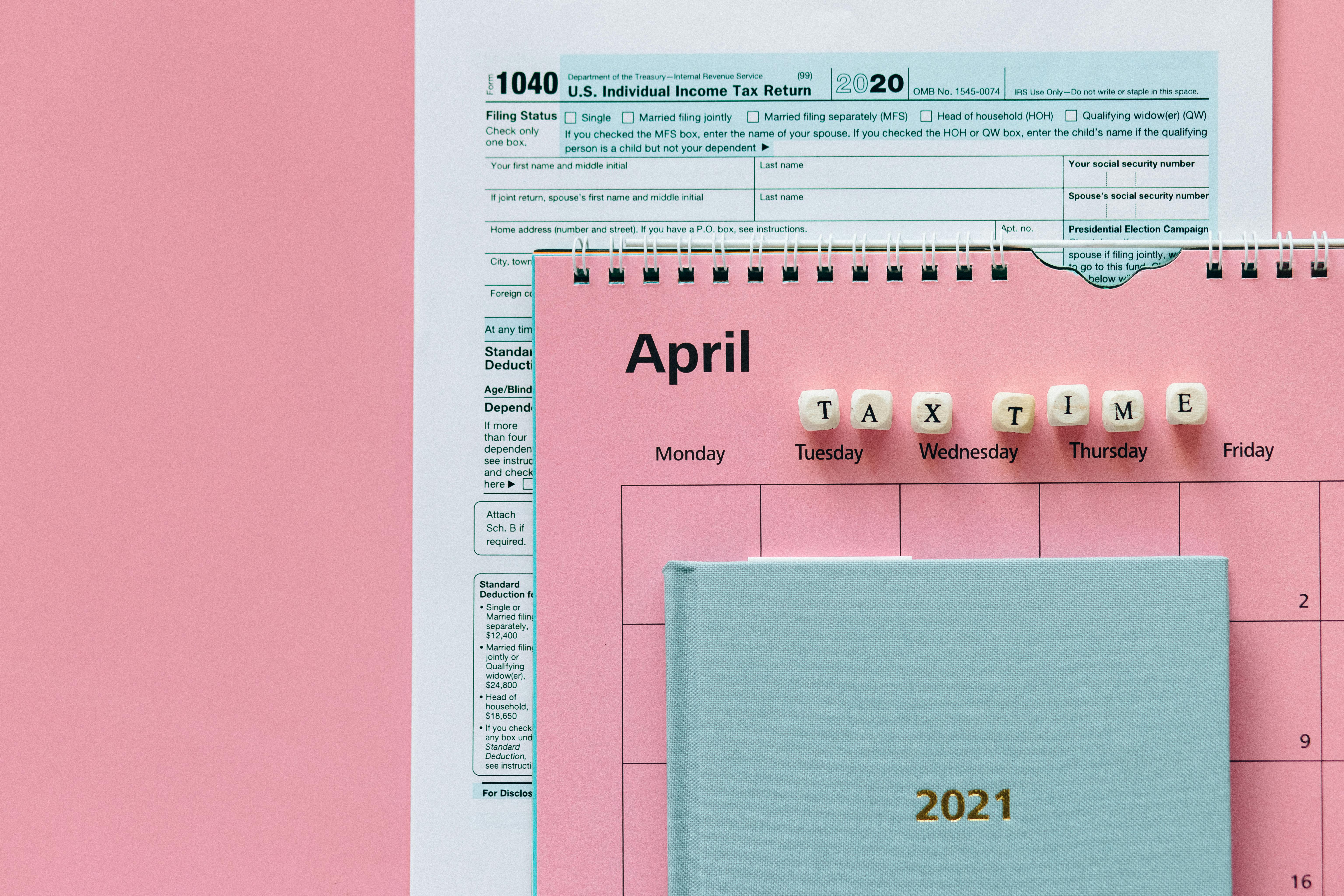
Not everyone needs to wrestle with a self-assessment tax return, but you might be surprised at how many situations trigger this requirement. If you're self-employed or a partner in a business partnership, you're definitely on the hook once your income exceeds £1,000. But that's just the tip of the iceberg.
You'll also need to complete one if you've earned more than £2,500 in untaxed income from things like rental properties, investments, or that thriving Etsy shop you started during lockdown. Directors of limited companies, even if you're running a one-person show, need to file regardless of income levels. And here's one that catches people out: if you or your partner claims child benefit and either of you earns over £50,000, you'll need to declare this through self-assessment.
High earners making over £100,000 annually are automatically enrolled in the self-assessment club, as are those receiving income from abroad or capital gains from selling assets like property or shares. Even if you're employed full-time but have a side business bringing in more than £1,000, HMRC wants to know about it.
The key thing to remember is that HMRC will usually tell you if you need to complete a self assessment. They'll send you a notice to file, typically arriving between April and September. But don't wait for them if you know you meet the criteria; it's your responsibility to register, and ignorance isn't considered a valid excuse when penalties start rolling in.
Essential Documents and Information You'll Need
Before you dive headfirst into your tax return, gathering your paperwork is absolutely essential. Think of it like preparing ingredients before cooking; having everything ready makes the whole process smoother and far less stressful.
Income Records and Receipts
Your income documentation forms the backbone of your self-assessment. Start by collecting all your P60S from employment, which show your annual earnings and tax paid. If you've changed jobs during the tax year, you'll need P45s too. For the self-employed among you, this means bank statements showing all business income, invoices you've issued, and any cash receipt books.
Don't forget about those other income sources that might slip your mind. Interest statements from banks and building societies (even though most are now reported automatically), dividend vouchers from investments, and rental income records all need to be accounted for. If you've done any freelance work on the side, those payment confirmations matter too.
Keep digital copies of everything. Snap photos with your phone, scan documents, or use apps that help organise receipts. HMRC might ask to see proof of your figures up to six years later, so having a decent filing system now saves massive headaches down the road.
Allowable Expenses and Deductions
This is where you can legitimately reduce your tax bill, but only if you've kept proper records. For self-employed folks and landlords, allowable expenses can make a significant difference to what you owe.
Business expenses might include office supplies, professional subscriptions, travel costs (but not your regular commute), advertising, professional indemnity insurance, and even a portion of your home bills if you work from home. The keyword here is "wholly and exclusively" for business purposes; that coffee with your mate doesn't count, even if you chatted about work for five minutes.
If you're a landlord, you can claim for property repairs (but not improvements), letting agent fees, insurance, and mortgage interest relief, though the rules on the latter have tightened considerably. Remember, replacing a broken boiler is allowable: upgrading to a fancy new system when the old one worked fine isn't.
Charitable donations made through Gift Aid can also reduce your tax bill if you're a higher-rate taxpayer, as can pension contributions. Keep those charity receipts and pension statements handy; they're worth real money when tax time rolls around.
Step-by-Step Process for Completing Your Tax Return
Completing a UK Self Assessment tax return is much easier when it is broken into clear steps. Here is the process from registering to submitting online.
Register for Self Assessment
Register if you have not done it before, and note the deadline is 5 October after the tax year you need to report. Registering late can lead to penalties. Use the GOV.UK “Register for Self Assessment” service, and have your National Insurance number and basic personal details ready. The steps vary depending on whether you are self-employed, not self-employed, or registering a partnership.Wait for your Unique Taxpayer Reference and set up online access
After registration, HMRC sends a Unique Taxpayer Reference (UTR), which is a 10 digit number used for Self Assessment. It usually arrives within about 10 working days, but it can take up to three weeks during busy periods. You will also need a Government Gateway account to manage your return online.File your return online for the easiest process
Online filing is usually simpler because the system calculates your tax and flags obvious errors. Paper returns have an earlier deadline of 31 October, while online returns are due by 31 January. Log in to Government Gateway, open Self Assessment, and follow the guided sections based on your income sources.Work through the return in sections and save progress
You do not need to finish everything in one sitting because the online system saves your progress. Start with the simpler sections like employment income, bank interest, and dividends, then move to the more detailed areas. Many figures may already be pre-filled, but they should still be checked against your own records.Add self-employment income and allowable expenses if relevant
For self-employment, enter your total business income and then record allowable expenses using the categories provided. If turnover is under £85,000, you may be able to use the cash basis method, which records income and expenses when money actually comes in or goes out. Keep records that support any expenses claimed.Review carefully before submitting
The system updates your tax bill as you go, so you can see what you owe or what you might get back. Use the review section before submitting to check that the numbers look right. Error checks can catch basic issues, but they will not catch everything, so it is important to sanity check your entries.
Once submitted, keep copies of what you filed and the records used, so you can answer questions quickly if HMRC asks for clarification later.
Common Mistakes to Avoid When Filing Yourself

Filing a Self Assessment on your own is doable, but a few common mistakes can lead to penalties or extra questions from HMRC. These are the issues to watch out for so your return stays accurate and low risk.
Missing the filing deadline
The online Self Assessment deadline is 31 January. Filing even one day late triggers an automatic £100 penalty, even if no tax is owed. If the return is more than three months late, daily penalties can start adding up.Mixing personal and business expenses
Only genuine business costs should be claimed. Personal spending dressed up as business, like a holiday with a short conference, is not allowable. For shared costs like home internet, claim only the business-use portion rather than the full bill.Forgetting to declare all income sources
People often miss smaller or irregular income streams, but HMRC still expects them to be reported when they are taxable. If you sell items online and your total sales exceed £6,000, you should check whether you need to declare it. Regular side income, even from a hobby, can also need to be included.Rounding figures too much
Rounding every number can make it look like you are guessing rather than using real records. Using exact figures based on statements and receipts looks more credible and is less likely to raise questions.Not keeping proper records
HMRC can ask for evidence and investigate returns for up to six years. If you cannot back up expenses with receipts and records, you may lose those deductions and face additional issues. Keeping digital copies of receipts and backing them up makes this much easier.
Avoiding these mistakes keeps your return cleaner, reduces the risk of penalties, and makes it easier to respond if HMRC ever asks for proof.
When to Consider Professional Help Instead
Filing your own Self Assessment is doable for many people, but an accountant is worth considering when things get more complex or the stakes are higher.
If you have multiple income sources, overseas income, or a complicated investment setup, a professional can help you apply the right rules and avoid missing reliefs like foreign tax credits. The same goes for business owners with employees, VAT, or a limited company, where choices around salary and dividends can affect your total tax bill.
Property investors often benefit from advice too, especially with multiple rentals, commercial property, or development work. Rules around mortgage interest relief, repairs versus improvements, and capital gains can be easy to get wrong. Services like Accountant Connector can match you with specialists who understand property taxation inside out.
If HMRC is investigating you or you need to fix past issues, do not try to handle it alone. A professional can manage communication and help push for a quicker, cleaner outcome.
It can also be a practical time decision. Many accountants charge under £500 for a straightforward self-employed return, and that can be worth it if doing it yourself would cost you a day of paid work. Major life changes like divorce, inheritance, retirement, or selling a business are also good moments to get advice because the tax impact can be significant.
Conclusion
So, can you do your own self assessment tax return? Absolutely, you can, and thousands of people prove it every year. With the right preparation, decent record-keeping, and a methodical approach, filing your own return is entirely manageable for most people with straightforward tax affairs.
The key is being honest with yourself about your situation's complexity and your comfort level with financial paperwork. If you're employed with a simple side hustle or you're self-employed with clear income and expenses, the online system will guide you through without much fuss. The satisfaction of understanding your own tax position and saving on accountancy fees is genuinely rewarding.
But remember, there's no shame in seeking help when things get complicated. Whether you choose to go solo or bring in professional support, the important thing is getting it done accurately and on time. Start early, keep impeccable records throughout the year, and don't let the tax return become this looming monster in your mental calendar.
Frequently Asked Questions
What documents do I need to complete my self-assessment tax return?
You'll need P60s from employment, P45s if you changed jobs, bank statements showing business income, expense receipts, interest statements, dividend vouchers, and rental income records. Keep digital copies of everything, as HMRC may request proof up to six years later.
How much does it cost to file a self-assessment tax return yourself?
Filing your own self-assessment tax return is completely free using HMRC's online service. You only pay the tax you owe, not for filing the return itself. The main cost is your time, which typically takes a few hours for straightforward returns.
What happens if I make a mistake on my self-assessment tax return?
You can correct mistakes by amending your return online within 12 months of the filing deadline. HMRC's system catches obvious errors before submission, but for significant mistakes discovered later, contact HMRC immediately. Honest errors rarely result in penalties if promptly corrected.
When should I get professional help instead of doing my own tax return?
Consider professional help if you have multiple income streams, overseas income, complex investments, or face an HMRC investigation. Business owners with employees, VAT registration, or property portfolios often benefit from accountant expertise, especially when the fee costs less than your time.
Is the online self-assessment system secure and easy to use?
HMRC's online self-assessment system uses Government Gateway authentication and encryption to ensure security. The interface is user-friendly, saves your progress automatically, and provides helpful explanations throughout. It's significantly easier than paper returns and calculates everything for you.
Similar articles

February 17, 2026
Established fact that a reader will be distracted by the way readable content.

February 13, 2026
Established fact that a reader will be distracted by the way readable content.

February 10, 2026
Established fact that a reader will be distracted by the way readable content.