
January 13, 2026
Can You Write Off Tax Penalties? What the IRS Allows

Tax penalties can hit hard when you're already dealing with the stress of sorting out your finances. You've probably found yourself wondering if there's any way to soften the blow, maybe even write off those pesky penalties on your next tax return. It's a fair question, and one that many taxpayers grapple with when facing additional charges from HMRC.
The short answer might disappoint you, but understanding the full picture could save you money in other ways. While the rules around tax penalty deductibility are quite strict, there are some nuances worth knowing about. Plus, armed with the right knowledge, you can take steps to minimise or even avoid penalties altogether. Let's unpack what you need to know about tax penalties, deductions, and the strategies that could help protect your wallet.
Understanding Tax Penalties And Their Nature
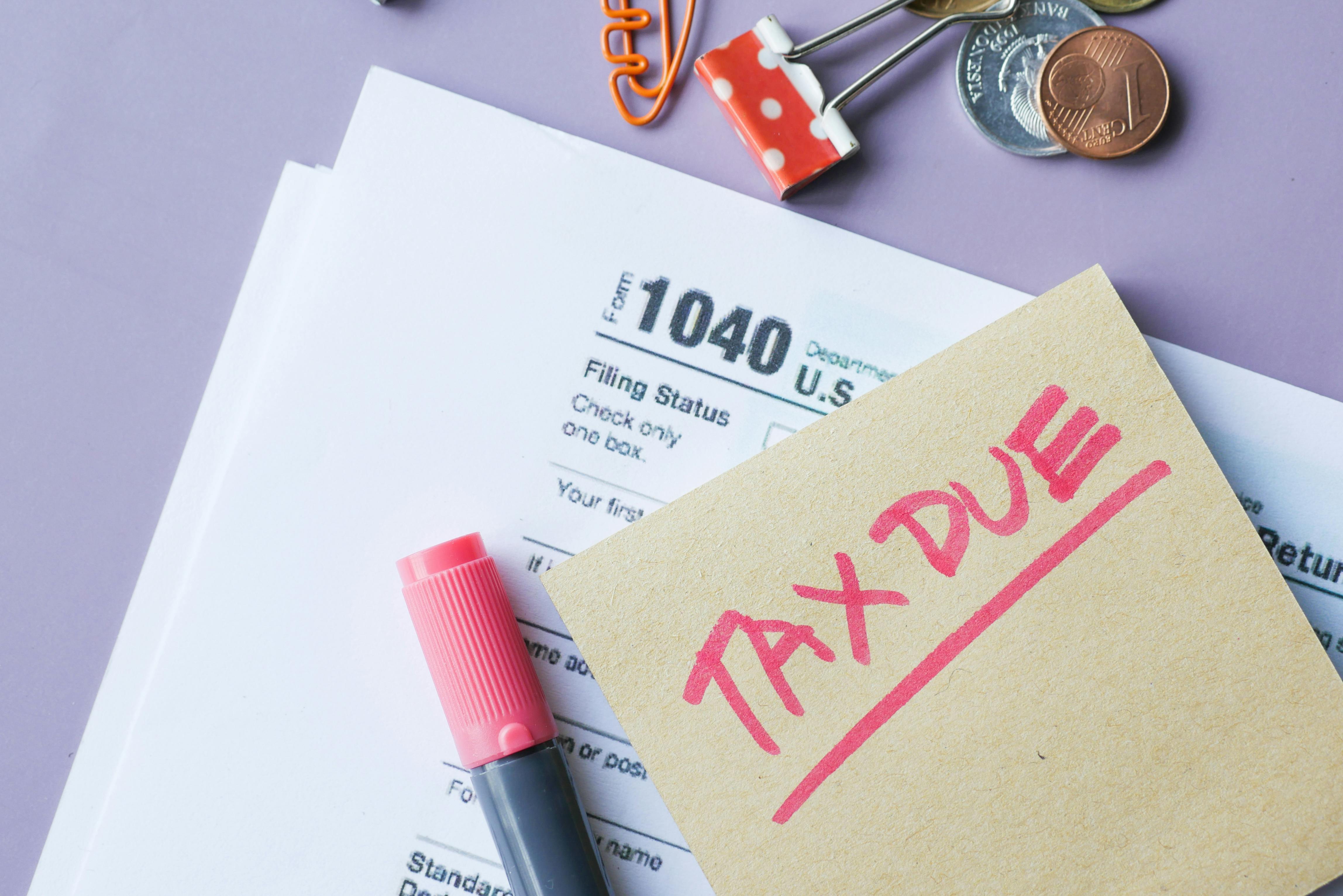
Before diving into whether you can write off tax penalties, it's critical to understand what they actually are and why HMRC imposes them. Tax penalties are essentially financial punishments designed to encourage compliance with tax laws. They're the stick in the carrot-and-stick approach to tax collection.
Types Of Tax Penalties
HMRC can hit you with various types of penalties, each serving a different purpose. Late filing penalties are among the most common, miss your Self Assessment deadline by even a day, you're looking at an automatic £100 fine. The longer you delay, the steeper these penalties become, potentially reaching thousands of pounds for prolonged non-compliance.
Then there are late payment penalties. These kick in when you don't pay your tax bill on time. Starting at 5% of the unpaid tax after 30 days, they can quickly snowball if you continue to delay payment. Accuracy-related penalties come into play when HMRC discovers errors in your return, whether through carelessness or deliberate understatement of income.
The most severe penalties relate to tax evasion and fraud. These can reach up to 100% of the tax owed, and in extreme cases, criminal prosecution becomes a possibility. Even innocent mistakes can cost you if HMRC determines you didn't take reasonable care when preparing your return.
How Tax Penalties Differ From Interest
Here's where things get interesting. While penalties and interest charges might feel the same when they're draining your bank account, they're fundamentally different beasts in the eyes of tax law. Interest is essentially compensation to HMRC for the time value of money; you had their money when you shouldn't have, so you pay for that privilege.
Penalties, on the other hand, are punitive. They're meant to sting, to make you think twice before making the same mistake again. This distinction becomes incredibly important when considering what you can and cannot deduct from your taxes. Interest charges accrue daily from the payment due date, calculated at the Bank of England base rate plus 2.5%. Penalties are fixed amounts or percentages triggered by specific non-compliance events.
The timing also differs significantly. Interest starts accumulating immediately after a payment deadline passes, while penalties often have grace periods or only trigger after certain conditions are met.
The General Rule: Tax Penalties Are Not Deductible
In most cases, tax penalties cannot be claimed as a deduction. This applies whether you are filing as an individual or running a business. The rule is well established and is rarely flexible.
Legal Basis for Non-Deductibility
UK tax rules generally do not allow deductions for costs that come from breaking the law. Tax penalties exist because a tax rule was not followed, so they are treated differently from normal business expenses. The law also blocks deductions for other types of fines and penalties, such as parking fines or regulatory charges, even when they happen during day-to-day business.
Courts have backed this up repeatedly. The logic is straightforward. If penalties were deductible, they would become cheaper, and that would weaken the point of charging them in the first place.
Public Policy Considerations
There is also a fairness reason behind the rule. Allowing penalties as deductions would reduce tax collected, and that gap would have to be made up elsewhere. In practice, that shifts part of the cost onto taxpayers who followed the rules.
The deterrent angle matters too. Penalties are designed to sting so people take deadlines and reporting seriously. If the penalty reduced your tax bill, it would soften the impact and make penalties less effective as a way to encourage compliance.
Exceptions And Special Circumstances
The general rule still stands. Tax penalties themselves are usually not deductible. But a few related costs can be treated differently, and it helps to know where the line is.
Business-Related Penalties
True HMRC penalties stay non-deductible, even for businesses. The confusion often comes from charges that feel like penalties but are not government fines. A supplier’s late payment fee, for example, is a normal business cost and is usually treated as deductible.
Professional fees are another key area. While the penalty cannot be claimed, the cost of hiring an accountant or tax adviser to review, challenge, or negotiate it is often deductible as a business expense. This matters most in disputes where advice and correspondence can add up quickly.
Contract-based penalties between businesses are also different. Charges for late delivery or breach of contract are usually deductible because they come from a commercial agreement, not from breaking the law. The basic test is whether the cost is a normal part of trading or a punishment imposed by an authority.
Foreign Tax Penalties
Foreign tax penalties are generally treated the same way as UK ones for UK tax purposes, meaning they are usually not deductible. Paying a penalty to a tax authority overseas does not automatically make it claimable in the UK.
Foreign tax credit relief can still apply to the underlying foreign tax in some cases, even though it does not cover penalties. So the tax that caused the penalty might still be creditable against UK tax, depending on the rules and your situation. Some tax treaties include details about cross-border enforcement, but they rarely change the core point that penalties themselves are not deductible.
Tax Interest Versus Penalties: What You Can Deduct
Here's where things get more favourable for taxpayers. Unlike penalties, interest charges on late tax payments can sometimes be deductible, depending on your circumstances. This distinction could save you a significant amount if you understand how to apply it correctly.
Deductible Interest On Business Taxes

If you're self-employed or run a business, interest on late payment of business taxes is generally deductible as a business expense. This includes interest on late Corporation Tax, VAT, or the business portion of your Self Assessment. The logic here is that interest represents a cost of financing rather than a punishment.
Let's say you owe £10,000 in Corporation Tax and pay it six months late, accruing £300 in interest charges. While any late payment penalty is non-deductible, that £300 interest charge can typically be claimed as a business expense. Over time, especially for larger amounts, this deduction can add up to meaningful tax savings.
The key is proper record-keeping and allocation. You need to clearly distinguish between interest and penalties on your tax notices and guarantee you're only claiming the deductible portions. Mixed personal and business taxes require careful apportionment; you can only deduct interest relating to the business element.
Investment Interest Considerations
For individuals with investment income, the rules around interest deductibility become more restrictive. Interest on late payment of personal taxes, including Capital Gains Tax on investment disposals, is generally not deductible against your investment income.
But, if you're carrying on a trade of investing, as opposed to casual investing, different rules might apply. Professional traders who meet specific criteria might be able to treat interest charges as trading expenses. The distinction between investing and trading for tax purposes is complex and often requires professional determination.
Property investors face their own set of rules. Interest on late payment of taxes related to rental income might be deductible against future rental profits, but recent changes to tax relief for finance costs have complicated this area. The restriction of mortgage interest relief for residential landlords has knock-on effects for how other interest charges are treated.
Strategies To Minimise Tax Penalties
Since you can't write off tax penalties, your best strategy is to avoid them altogether or minimise them when they do occur. HMRC isn't completely inflexible; there are legitimate ways to reduce or eliminate penalties if you know how to approach the situation.
Penalty Abatement Options
HMRC has several penalty abatement programmes that many taxpayers don't know about. First-time penalty abatement is one of the most underutilised tools available. If you've had a clean compliance record for the past three years and incur a penalty for the first time, you might qualify for automatic relief.
The key to successful abatement requests is acting quickly and providing all-inclusive documentation. Don't wait months before addressing penalties; the sooner you engage with HMRC, the more options you typically have. Written requests should be detailed, professional, and focus on facts rather than emotional appeals.
Statutory review and appeal rights also exist for most penalties. If you genuinely believe a penalty has been incorrectly applied, you have formal channels to challenge it. The process starts with asking HMRC to reconsider their decision, potentially escalating to a tribunal if necessary. While this might seem intimidating, many taxpayers successfully reduce or eliminate penalties through these formal channels.
Reasonable Cause Relief
Reasonable cause relief is your safety net when life throws you a curveball. HMRC recognises that sometimes, even though your best intentions, circumstances beyond your control prevent tax compliance. Serious illness, natural disasters, death in the family, or system failures can all potentially qualify as reasonable cause.
But here's the catch: you need to prove both the exceptional circumstance and that you resumed compliance as soon as reasonably possible. A week in hospital might excuse a missed deadline: a minor cold won't. Documentation is essential. Medical records, death certificates, or insurance claims strengthen your case significantly.
HMRC also considers your compliance history when evaluating reasonable cause claims. If you're usually punctual and accurate with your tax affairs, they're more likely to show leniency for a genuine one-off problem. Conversely, serial late filers will find it much harder to claim reasonable cause, even for legitimate issues.
Working with a service like Accountant Connector can help you find qualified professionals who understand these relief provisions and can advocate effectively on your behalf when penalties arise.
Alternative Ways To Reduce Tax Liability
There are several legal ways to lower your overall tax bill, even though penalties themselves cannot be deducted. The ideas below focus on common UK tax planning routes that can reduce taxable income or limit future tax.
Claim all legitimate deductions
Many people miss allowable expenses because records are incomplete, or they are not aware of what can be claimed. Business owners often overlook items such as home office costs, work-related mileage, and professional development. Claiming valid expenses reduces taxable income and can sometimes move you into a lower tax band.Use pension contributions for tax relief
Pension payments can reduce tax because they usually qualify for relief at your marginal rate. Higher-rate taxpayers can often claim additional relief through Self Assessment, which lowers the real cost of contributing. This can be one of the most effective ways to reduce a tax bill while also building long-term savings.Plan income and expenses around the tax year
If you control when income is received, timing can make a real difference. Deferring income into a lower-earning year, or bringing forward expenses into a higher-earning year, can reduce the amount taxed at higher rates. This is especially relevant for self-employed people and business owners.Claim capital allowances on business purchases
Businesses may be able to deduct the cost of qualifying equipment through capital allowances. The Annual Investment Allowance can allow a full deduction for qualifying purchases up to £1 million per year. Some enhanced schemes may apply to certain assets depending on the tax year and current rules.Make charitable donations in a tax-efficient way
Gift Aid donations can extend your basic rate band, which may reduce the amount of income taxed at higher rates. For larger gifts, donating shares or property directly to charity can be more tax efficient in some cases. It is a way to support a cause while also reducing tax exposure.Use ISAs and other tax-wrapped investments
ISAs protect savings and investment growth from tax, which helps prevent future tax liabilities. They usually do not reduce a current tax bill, but they can reduce tax paid later on interest, dividends, and capital gains. This matters most for long-term planning.Use loss relief if your business has a bad year
If a business makes a loss, UK rules may allow that loss to be offset against other income or carried forward to reduce tax in future years. This can lower taxes during difficult periods or improve tax results when profits return. Understanding the rules helps you get the maximum benefit.
Used together, these strategies can reduce what you owe in a legitimate way and make future tax bills easier to manage.
Conclusion
The hard truth is that tax penalties are designed to hurt, and you can't soften that blow by writing them off. This non-deductibility is a feature, not a bug; it ensures penalties maintain their deterrent effect and that compliant taxpayers don't subsidise those who break the rules.
But this doesn't mean you're powerless. Understanding the distinction between penalties and interest opens up some deduction opportunities, particularly for business owners. More importantly, knowing about penalty abatement programmes and reasonable cause relief can help you reduce or eliminate penalties when genuine circumstances warrant it.
Your best defence remains a good offence: staying organised, meeting deadlines, and maintaining accurate records. When you do face penalties, act quickly to explore your options for relief rather than hoping to write them off later.
Remember, while you can't deduct tax penalties, the fees you pay for professional tax advice often are deductible. This makes getting expert help even more attractive; you're not just potentially saving on taxes and avoiding penalties: you're also reducing the net cost of that valuable guidance.
Frequently Asked Questions
Can you write off tax penalties on your UK tax return?
No, tax penalties cannot be written off or claimed as deductions on your UK tax return. This applies to both individuals and businesses, as penalties are punitive charges designed to encourage compliance with tax laws.
What's the difference between tax penalties and interest charges for deduction purposes?
While tax penalties are non-deductible, interest charges on late business tax payments can often be claimed as business expenses. Interest represents a financing cost rather than a punishment, making it deductible for business taxes but not personal taxes.
How can I get HMRC to reduce or waive tax penalties?
You can request penalty abatement through first-time penalty relief if you've had clean compliance for three years, or claim reasonable cause relief for exceptional circumstances like serious illness or natural disasters. Acting quickly and providing comprehensive documentation improves your chances.
Are foreign tax penalties deductible against UK taxes?
No, foreign tax penalties follow the same non-deductibility rules as UK penalties. However, the underlying foreign tax that led to the penalty might still qualify for foreign tax credit relief against your UK tax liability.
What happens if I can't afford to pay tax penalties immediately?
Contact HMRC promptly to discuss payment arrangement options. They may offer instalment plans or Time to Pay agreements, allowing you to spread the penalty cost over several months whilst avoiding additional charges for non-payment.
Do tax penalty rules differ for sole traders versus limited companies?
The fundamental non-deductibility of tax penalties applies equally to sole traders and limited companies. However, both can deduct interest on late business tax payments and professional fees incurred to dispute or negotiate penalties as allowable business expenses.
Similar articles

February 17, 2026
Established fact that a reader will be distracted by the way readable content.

February 13, 2026
Established fact that a reader will be distracted by the way readable content.

February 10, 2026
Established fact that a reader will be distracted by the way readable content.