
January 23, 2026
Self Assessment Tax Return for Limited Company Explained

Limited company tax can feel confusing because there are two sets of responsibilities running side by side. The company files its own returns, but directors and shareholders may also need to file a personal Self Assessment, especially when income comes from salary, dividends, benefits, or other sources. Missing this can lead to late filing penalties or the tax being calculated incorrectly.
This article explains when a limited company director needs a Self Assessment return, what income must be reported, and how to stay compliant without overcomplicating it.
Understanding Self Assessment Requirements for Company Directors
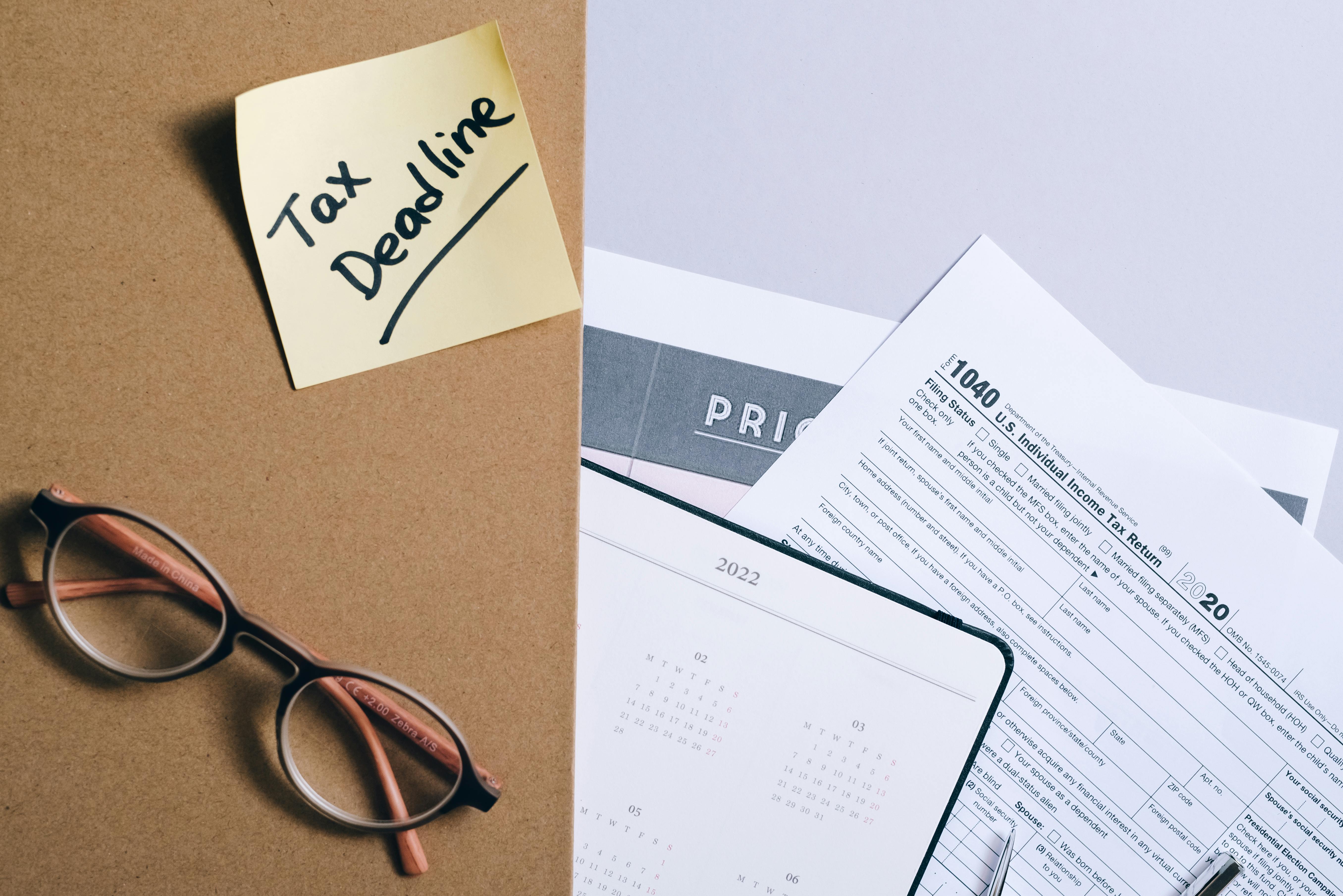
As a company director, you might assume your company's accountant handles all the tax affairs, but that's only half the story. Your personal tax situation requires separate attention, and in many cases, you'll need to complete a self-assessment tax return even if you're already paying tax through PAYE.
When Directors Must File Personal Tax Returns
You'll need to register for self-assessment if you're a company director, regardless of whether you receive a salary, dividends, or both. HMRC considers all company directors as having untaxed income that needs reporting, even if your only income comes from your directorship.
The requirement kicks in automatically when you become a director. Even if you don't draw any money from the company initially, you're still obligated to notify HMRC within six months of the end of the tax year in which you became a director. Missing this deadline could result in penalties, so it's worth marking your calendar.
There are a few rare exceptions. If your only income is from employment (including your directorship) and it's all taxed through PAYE with no benefits in kind, and you earn under £150,000 annually, you might not need to file. But honestly, most directors will have some form of dividend income or benefits that trigger the requirement anyway.
Income Thresholds and Reporting Obligations
The threshold game changes depending on your total income sources. If your annual income exceeds £100,000 from all sources combined, you're definitely in self-assessment territory. This includes your director's salary, dividends, rental income, savings interest, the whole lot.
For dividend income specifically, if you receive more than £10,000 in dividends during the tax year, you must complete a tax return. Remember, the dividend allowance (currently £1,000 for 2024/25) only affects how much tax you pay, not whether you need to file a return.
You'll also need to file if you have untaxed income over £2,500, foreign income, or if you're claiming certain tax reliefs. Capital gains from selling shares or property (excluding your main home) above the annual exempt amount will also trigger the requirement.
Corporation Tax vs Personal Self Assessment
Understanding the distinction between what your company pays and what you personally owe is essential for managing your tax affairs effectively. These are two completely separate tax obligations with different rules, rates, and deadlines.
Key Differences Between Company and Personal Tax
Your limited company pays corporation tax on its profits, that's everything the business earns minus allowable expenses. The current rate sits at 19% for profits up to £50,000, rising to 25% for profits over £250,000, with marginal relief in between. This tax belongs entirely to the company, not you personally.
Your personal tax situation is different. You pay income tax on money you take out of the company, whether as salary or dividends. Your salary gets taxed through PAYE just like any employment income, with the standard personal allowance and tax bands applying. Dividends, however, are taxed differently; they're paid from the company's post-tax profits, and you pay personal tax on them through self-assessment.
The tax rates differ, too. While corporation tax is relatively straightforward, personal tax rates vary based on your total income. Dividend tax rates for 2024/25 are 8.75% for basic rate taxpayers, 33.75% for higher rate taxpayers, and 39.35% for additional rate taxpayers.
Deadlines and Filing Requirements
Timing is everything when it comes to tax compliance. Your company's corporation tax return is due 12 months after the end of your accounting period, with payment due nine months and one day after the period ends.
Personal self-assessment follows the tax year (6 April to 5 April). You need to register by 5 October following the tax year end if it's your first return. Paper returns are due by 31 October, while online returns and payments are due by 31 January. Missing these deadlines triggers automatic penalties starting at £100, even if you don't owe any tax.
Payments on account might catch you off guard if your tax bill exceeds £1,000; you'll usually need to make advance payments towards next year's bill. These are due on 31 January and 31 July, each typically being half of the previous year's tax bill.
Dividend Income and Tax Implications
Dividends often form a significant part of a director's income strategy, and understanding how they're taxed can make a real difference to your take-home pay. Since dividends come from company profits that have already been subject to corporation tax, they receive different tax treatment than a salary.
Calculating Tax on Dividend Payments
Working out your dividend tax isn't as straightforward as income tax, but once you get the hang of it, it becomes manageable. First, dividends don't attract National Insurance contributions, which is one advantage over a salary. But they do have their own tax rates, which apply after you've used up your dividend allowance.
Your dividend tax calculation starts with adding all your dividend income to your other income for the year. This total determines which tax band you fall into. The tricky bit is that dividends are treated as the 'top slice' of your income, meaning they're taxed last after your salary and other income sources.
For example, if your salary is £40,000 and you receive £20,000 in dividends, your salary uses up most of your basic rate band (£12,570 personal allowance plus £37,700 basic rate). This means most of your dividends will be taxed at the higher rate of 33.75%, not the basic rate of 8.75%.
Dividend Allowance and Tax Bands
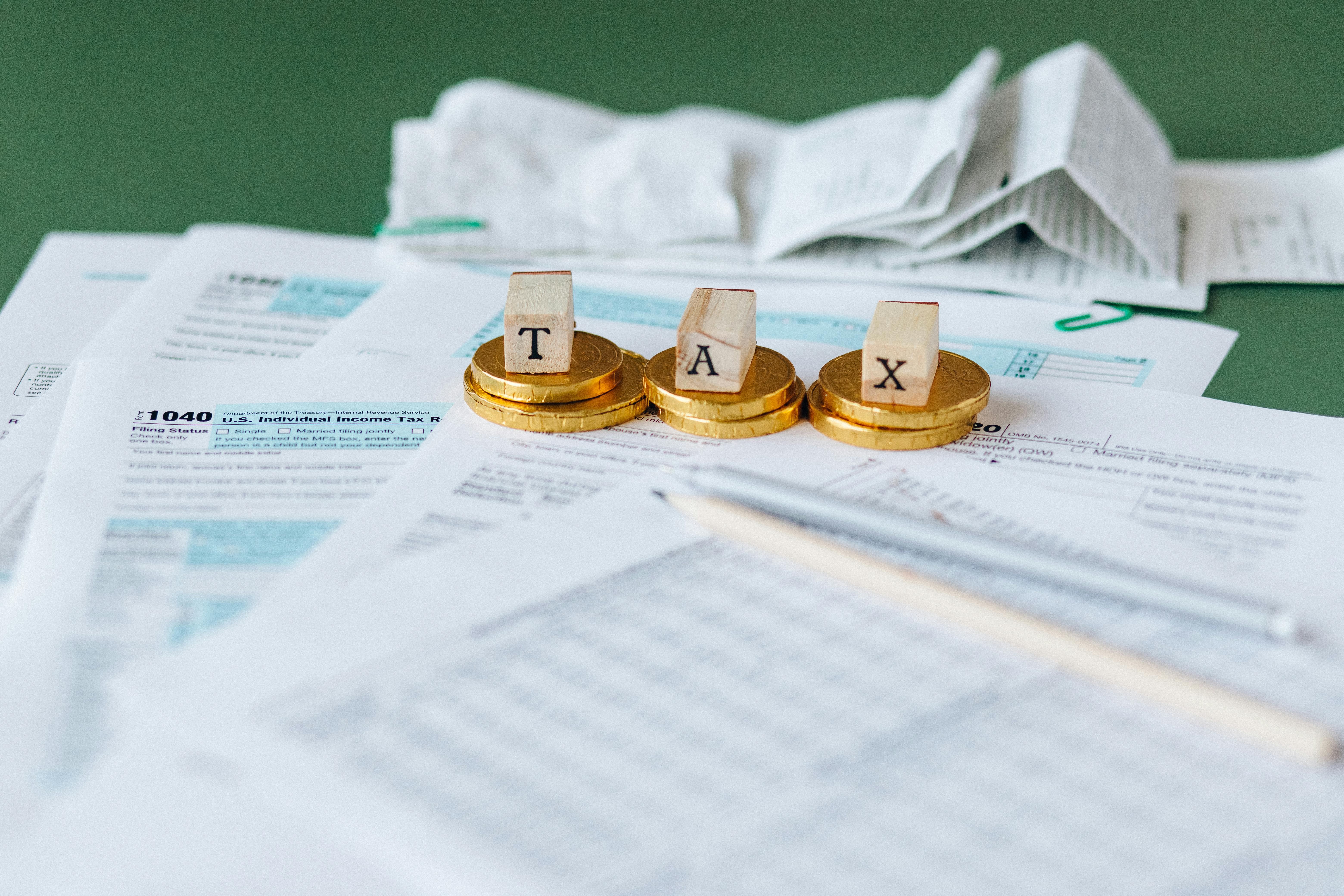
The dividend allowance gives you a bit of breathing room; the first £1,000 of dividends (reduced from £2,000 in previous years) is tax-free regardless of your income level. This allowance doesn't reduce your taxable income: it's simply a zero rate applied to that portion of dividends.
Beyond the allowance, the rates kick in based on your tax band. If you're keeping your total income within the basic rate band (up to £50,270 for 2024/25), you'll pay 8.75% on dividends. Cross into higher rate territory, and it jumps to 33.75%. Additional rate taxpayers earning over £125,140 face 39.35% on their dividends.
Remember, taking dividends requires proper paperwork. You need board minutes (even if you're the only director) and dividend vouchers for each payment. Accountant Connector can help you find qualified accountants who'll guarantee your dividend documentation is watertight and tax-efficient.
Benefits in Kind and P11D Reporting
Benefits in kind (BiKs) are the non-cash perks you receive from your company think company car, private medical insurance, or that gym membership the company pays for. These benefits have tax implications that often catch directors off guard.
Common Director Benefits to Declare
Benefits in kind are non cash perks paid by your company, and many directors forget they still count for tax. Here are the most common director benefits that usually need to be declared and how they are treated.
Company car
This is often the biggest benefit for directors. The taxable amount is based on the car’s list price and its CO2 emissions. Electric vehicles have a much lower charge, with a 2% rate for 2024/25, while high emission vehicles can be taxed at over 37% of the list price as extra income.Private medical insurance
The full annual premium paid by the company is added to your taxable income. For example, a £2,000 premium is treated as £2,000 of extra income, which can cost a higher rate taxpayer about £800 in tax.Director loan account overdrawn
If your director’s loan account goes over £10,000 overdrawn at any point, it can trigger a benefit in kind charge. If the loan is not repaid within nine months of the company year end, the company may also face a 33.75% tax charge on the overdrawn amount.Phones, broadband, subscriptions, and gym membership
Only one mobile phone per employee can qualify as tax free. Home broadband, professional subscriptions, and gym memberships usually count as taxable benefits unless there is a clear business reason that supports them.P11D deadline and extra company cost
Benefits must be reported on form P11D by 6 July after the end of the tax year, and the taxable value is then included in your Self Assessment income. The company usually also pays Class 1A National Insurance at 13.8% on most benefits, which increases the true cost of providing them.
Completing Your Self Assessment Return
When it comes to actually filling in your self assessment, preparation is your best friend. Having everything organized before you start will save you hours of hunting through paperwork and reduce the chance of errors that could trigger an HMRC enquiry.
Essential Documents and Records
Before starting your Self Assessment, getting your documents together will make the process faster and help avoid mistakes. Here are the key records to prepare.
P60 showing your salary and the tax already paid through PAYE.
Dividend vouchers or statements for every dividend payment you received.
P11D if you had benefits in kind, such as a company car or private health insurance.
Bank statements or interest certificates showing any savings interest received.
Pension contribution records for any personal pension payments, including relief-at-source contributions.
Consolidated tax certificates from investment platforms for income outside your company.
Contract notes for any share sales, since these support capital gains calculations.
Gift Aid donation receipts for charitable giving, since these can affect your tax position.
Company accounts or dividend paperwork for cross-checking, so your personal dividend figures match what the company recorded.
Digital copies of everything stored by tax year, since HMRC can request evidence for up to six years after the filing date.
With these documents ready, completing the return becomes more straightforward, and you will be in a better position if HMRC ever asks for proof later.
Step-by-Step Filing Process
Filing Self Assessment is easier when you follow a clear order and check each section as you go. Here is the step-by-step process most people use for an online return.
Register for Self Assessment early
Register if you have not filed before, using your National Insurance number. HMRC will post your Unique Taxpayer Reference, which usually arrives within about 10 working days. You cannot file without a UTR, so do not leave registration until January.Set up time to file online
For a first return, block out at least an hour. The online system saves your progress, so you can pause and come back later if needed.Complete the employment section first
Enter salary and tax paid using your P60. The system may pre-fill some details, but check everything against your own records.Enter your dividends
Add your total UK dividends based on the amount you actually received. The system calculates the tax based on your total income.Add any supplementary pages you need
Include extra sections for items that apply to you, such as benefits in kind, personal pension contributions, or working from home claims. These are easy to miss, so scan the list before moving on.Review the calculation before submitting
Use HMRC’s “view calculation” option to see your tax bill before you commit. If it looks off, recheck entries for common issues like duplicate income already taxed through PAYE, using the wrong amount type, or missing reliefs.Submit and confirm your result
After submitting, you should get an acknowledgement right away. Your final calculation is typically available within 72 hours. If you owe tax, you can pay immediately or by the deadline, but interest can start from 1 February if payment is late.
Following these steps and using the calculation preview before submitting helps avoid the most common errors and surprises.
Conclusion
Exploring self-assessment as a limited company director doesn't have to be overwhelming once you understand how the pieces fit together. The key takeaway is that your company's tax affairs and your personal tax obligations are separate beasts, both need attention, both have different deadlines, and both carry penalties if you get them wrong.
The most tax-efficient approach for most directors involves a modest salary around the National Insurance threshold, supplemented by dividends when the company has profits available. But remember, tax efficiency shouldn't override commercial sense. Sometimes paying a bit more tax to demonstrate regular PAYE income for a mortgage application makes perfect financial sense in the bigger picture.
Staying organised throughout the year beats a January panic every time. Keep those dividend vouchers, track your benefits, and maintain clear records. Your future self will thank you when you're not scrambling to piece together information at 11 pm on 31 January.
Frequently Asked Questions
What's the difference between corporation tax and personal self-assessment for directors?
Corporation tax is paid by your limited company on its profits at rates between 19-25%. Personal self assessment covers tax on money you personally take from the company as salary or dividends. These are completely separate obligations with different deadlines and tax rates.
How much can I take in dividends before paying tax?
You can receive £1,000 in dividends tax-free through the dividend allowance for 2024/25. Beyond this, you'll pay 8.75% tax as a basic rate taxpayer, 33.75% as a higher rate taxpayer, or 39.35% as an additional rate taxpayer on your dividend income.
Can I claim business expenses through my personal self-assessment?
Generally, no business expenses should be claimed through your limited company's accounts, not your personal tax return. However, you can claim certain employment expenses like professional subscriptions or working from home allowance if these weren't reimbursed by your company.
What happens if I miss the self-assessment deadline?
Missing the 31 January deadline triggers an automatic £100 penalty, even if you don't owe tax. Further penalties apply after three months (£10 daily up to £900), six months (£300 or 5% of tax owed), and twelve months (another £300 or 5% penalty).
Should I pay myself a salary or dividends from my limited company?
Most directors find it tax-efficient to take a small salary of around £9,100-£12,570 annually, topped up with dividends. This minimises National Insurance while maintaining state pension contributions. However, consider your mortgage applications and pension planning needs, as lenders often prefer regular PAYE income.
Similar articles

February 17, 2026
Established fact that a reader will be distracted by the way readable content.

February 13, 2026
Established fact that a reader will be distracted by the way readable content.

February 10, 2026
Established fact that a reader will be distracted by the way readable content.